
Desi Community Organizations to Know in Chandler
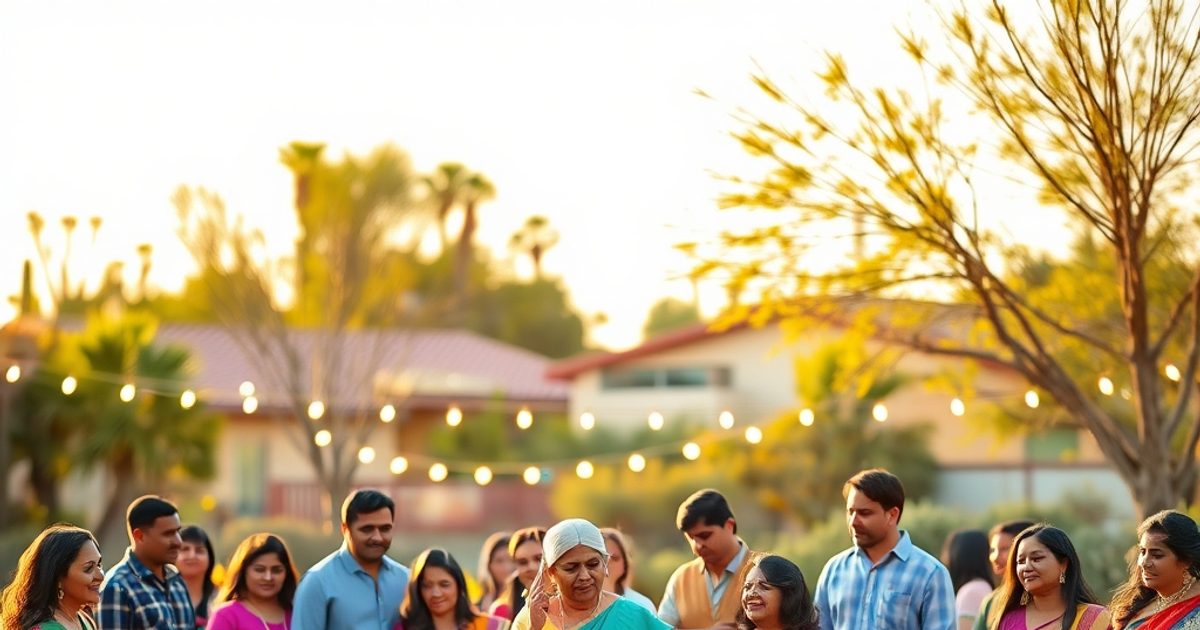
Desi Community Organizations to Know in Chandler
Chandler has quietly become one of the most vibrant South Asian hubs in the entire Southwest — and the organizations rooted here are a big reason why. Whether you just moved to the East Valley or you've lived here for years and want to plug in more deeply, knowing where your community gathers changes everything.
TL;DR
- 🕌 Chandler has multiple South Asian organizations covering faith, culture, language, and children's services
- 🌿 From Vedic spiritual practice to Kannada cultural preservation, the range is genuinely impressive
- 🤝 Most of these groups are grassroots and community-run — showing up matters more than a membership card
- 📍 Several organizations are based in residential Chandler neighborhoods, making them accessible and neighborhood-scale
- 👶 Families with young children have dedicated resources too, including a India-focused children's center
Why Community Organizations Matter for Desis in Chandler
Moving to a new city — or even a new part of the Valley — can feel isolating, especially when you are navigating the particular kind of in-between that diaspora life demands. You want your kids to know where they come from. You want a place to celebrate Diwali or Ugadi without explaining what it is. You want elders to find familiar faces and familiar prayers.
That is exactly what community organizations provide. They are the connective tissue between individual Desi families and the larger cultural life of a city. In Chandler, that connective tissue is stronger than most newcomers realize.
Faith Communities With Deep Roots
For Tamil-speaking Christians in the East Valley, the Arizona Tamil Church (P.O. Box 83, Chandler) is a meaningful gathering point. Tamil-medium worship is rare enough outside Chennai — finding it in Chandler is a genuine gift for families who want their faith and their mother tongue to stay woven together. Because Tamil is one of the world's oldest classical languages, worshipping in it carries a weight that English services simply cannot replicate for many in the community.
On the Hindu spiritual side, the International Vedic Society, located on W Bluebird in Chandler, centers its work around Vedic philosophy and practice. Vedic organizations typically offer a range of programming — from Sanskrit study and scripture discussions to puja guidance and festival observances — and serve as anchors for families who want their children to grow up with more than a surface-level connection to dharmic traditions. If you have been looking for a space that takes the philosophical depth of Vedic knowledge seriously, this is worth exploring.
The Kanchi Kamakoti Seva Foundation INC, based on W Spruce Dr in Chandler, carries the name of one of India's most revered spiritual lineages — the Kanchi Kamakoti Peetham in Tamil Nadu. Seva foundations in this tradition typically focus on community service aligned with the values of the Shankaracharya tradition, combining spiritual life with practical giving. For families with roots in Tamil Nadu or broader South Indian Hindu practice, this organization may feel especially resonant.
💡 Desi Insider Tip: Don't wait for a big festival to walk through the door of a faith-based organization. The quieter weekly gatherings — the Tuesday satsangs, the early-morning puja sessions — are where the real community bonds form. Show up small and show up often.
Cultural and Linguistic Organizations That Keep Languages Alive
Language loss is one of the quieter anxieties of diaspora parenting. You want your child to speak Telugu with your parents, Tamil with your grandparents, or Kannada with cousins back home — but American schooling does not make that easy.
The Kannada Foundation, located on E Sawtooth Dr in Chandler, exists precisely to address this. Kannada is the official language of Karnataka and one of India's six classical languages, yet it is underrepresented in diaspora cultural programming compared to Hindi or Tamil. A dedicated Kannada Foundation in Chandler is a meaningful resource for Kannadiga families who want their children to stay connected to the language, the literature, and the festivals of Karnataka — from Rajyotsava to Yugadi.
Cultural organizations like this also serve a social function that goes beyond language classes. They are where Kannadiga families find each other, where kids make friends who understand both worlds, and where parents can have a conversation in their mother tongue without code-switching.
A Broad-Umbrella Organization for the Wider Indian Community
The India Association, based on W Canary Way in Chandler, functions as a broader umbrella for the Indian community in the area. Organizations like this have historically played an important role in the diaspora by creating spaces that cut across regional and linguistic lines — bringing together Gujaratis, Punjabis, Maharashtrians, Bengalis, and South Indians under a shared Indian-American identity.
These associations often organize community-wide events around major national and cultural milestones — Independence Day, Republic Day, Diwali, Holi — and serve as a first port of call for newly arrived Indian families who are still figuring out the landscape. If you are new to Chandler and want a broad community entry point before you find your more specific regional or linguistic tribe, the India Association is a natural place to start.
Resources for Desi Families With Young Children
Parenting in the diaspora comes with a specific set of joys and pressures, and Linda Children Center India, located on E Bellerive Pl in Chandler, speaks directly to that experience. A children's center with an India-focused orientation can offer something that mainstream American childcare often cannot: cultural familiarity, whether that means the stories children hear, the values that are modeled, or simply having caregivers who understand what it means to be raised between two worlds.
For Desi parents navigating early childhood in Chandler, knowing this resource exists is genuinely useful. Culturally attuned early childhood environments can make a real difference in how confidently young children move between their home culture and the broader American one.
How to Actually Get Involved
Knowing these organizations exist is step one. Actually connecting with them takes a little more intention, especially because many community organizations in the Desi world run on volunteer energy and word-of-mouth rather than polished websites and social media.
Here is what tends to work: attend one event before you commit to anything. Bring food if there is a potluck. Introduce yourself to the person who seems to know everyone in the room — every community has one. Follow up. Offer to help with something specific rather than waiting to be asked.
Many of these Chandler organizations are relatively intimate in scale, which is actually an advantage. You will not get lost in a crowd. Your presence will be noticed, and your contributions — whether that is helping set up for a festival or teaching a skill to the community's youth — will matter in a concrete way.
FAQ
Q: Are these organizations only for people of Indian origin, or are South Asians from Pakistan, Sri Lanka, or Bangladesh welcome? A: Community organizations vary, but the general spirit of Desi community life in the diaspora tends to be inclusive. Language- and faith-specific groups will naturally draw specific communities, but most cultural organizations welcome anyone with a connection to South Asia. When in doubt, reach out directly to the organization.
Q: How do I find out about upcoming events if an organization doesn't have a prominent online presence? A: Word of mouth is still king in Desi community networks. Connect with other South Asian families in Chandler through local Facebook groups, WhatsApp community chats, and neighborhood apps. Once you are in one network, event invitations tend to flow naturally.
Q: My children were born here and don't speak much of our language. Will they feel out of place at cultural organizations? A: Not at all — in fact, organizations like the Kannada Foundation exist specifically because so many second-generation kids are in exactly that position. These spaces are built for the journey, not just for those who have already arrived at fluency.
Q: What is the difference between a seva foundation and a cultural association? A: A seva foundation typically focuses on service activities rooted in a spiritual or religious philosophy — volunteering, charitable work, and community uplift guided by those values. A cultural association tends to focus more broadly on cultural programming, language, and community events. In practice, many Desi organizations blend both.
Q: I'm new to Chandler. Which of these organizations is the best starting point? A: If you want a broad entry point into the Indian community, the India Association is a natural first step. If you have a specific regional, linguistic, or faith identity, start with the organization that reflects that — you will find your footing faster among people who share your specific background.
The Bottom Line
Chandler's South Asian community is not just large — it is organized, rooted, and genuinely welcoming to newcomers. From faith communities preserving Tamil and Vedic traditions to a Kannada Foundation keeping Karnataka's language alive in the Arizona desert, these organizations are doing quiet, important work every week. The best thing you can do is walk through a door.
Want to discover more about Desi life in Chandler — events, restaurants, services, and community news? Keep exploring right here on Desi.Net, your local guide to South Asian life in the East Valley.